

Live and learn. It’s a phrase we’ve all heard many times before. And it’s at the core of what LeAP: Leadership for Africa’s Parks is all about. Not just because LeAP’s programs fill critical gaps in training at African wildlife colleges and universities so that graduates gain essential skills in conservation leadership, conservation standards, and new technologies. But because the LeAP model evolved out of decades of trial, error, and correction.
I’ve worked closely with colleagues at LeAP’s four co-founding academic institutions – Garoua Wildlife College, RP Kitabi College, Njala University, and University of Kisangani – and at other universities throughout Africa and elsewhere, for years, to support in-country conservation training for on-the-ground impact. Over those many years, we’ve learned what works and what doesn’t. LeAP is based on what works. As we officially LeAP forward with our launch as a project of Nature For Justice, I want to share here what works based on my 35 years of experience, and how LeAP is designed for success – so that Africa’s wildlife, wild landscapes, and local communities thrive long into the future.
Management by the people who live there
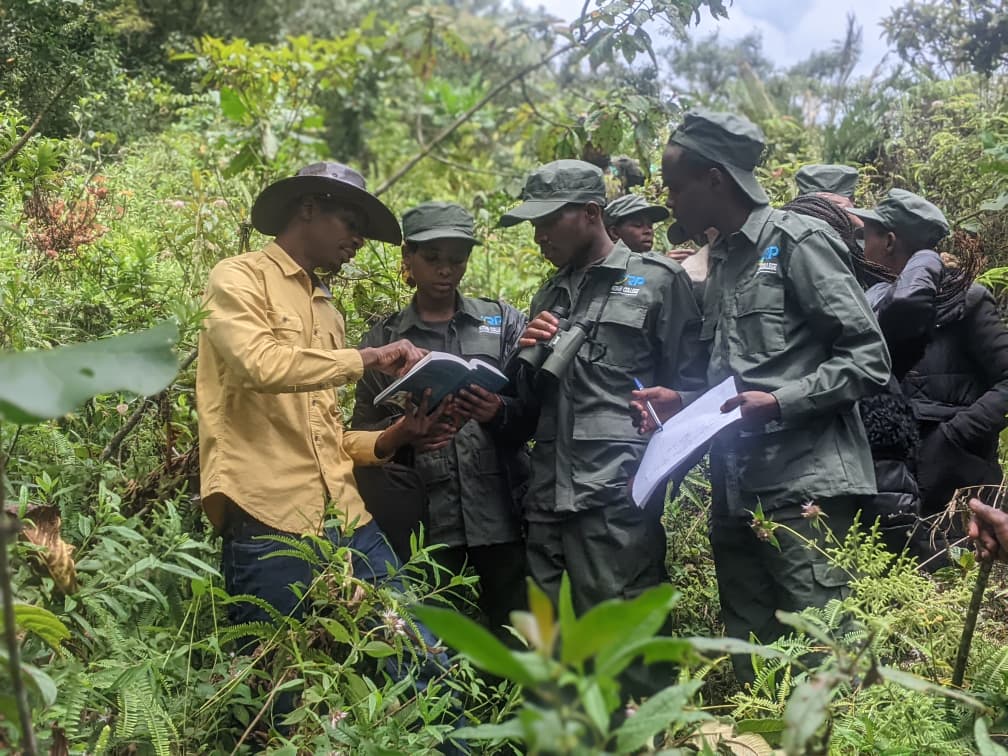
Lasting conservation in a region or country requires management by the people who live there. International actors can play a valuable role through funding, mentoring, and supporting universities to fill gaps in training so that people who live with wildlife can determine the best ways to conserve it. LeAP partners with African wildlife colleges and universities to help them fill gaps in curricula so that graduates of these national and regional universities become effective park rangers, managers, and conservation area specialists across the continent.
Co-design training programs with partners
Curricula changes can’t be imposed on institutions from the outside. Universities need coursework that they know will benefit their students and help their countries.
LeAP is a partnership of African wildlife colleges and universities working together to identify needs and the university instructors who are best positioned to develop new courses.
Women as conservation leaders
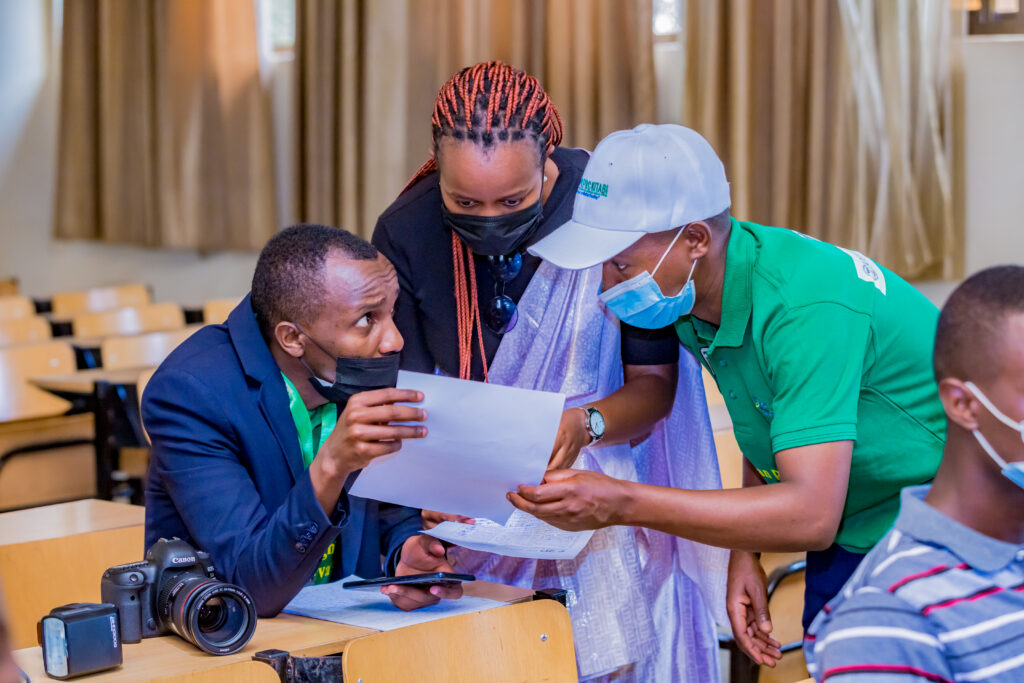
Research shows that women’s involvement leads to more collaborative, transparent, and lasting conservation solutions. Yet women aren’t always provided the safe spaces and resources they need to thrive, and face systemic and cultural barriers to opportunities in wildlife conservation and protected area management.
LeAP’s Women Ambassadors will form a network to provide support and guidance to female lecturers and students to help them become strong conservation leaders. As LeAP grows, we will expand our focus on women through coursework and other resources.
Support for instructors
College instructors need sufficient time, institutional support, compensation, and mentoring to become leaders and turn their training into new college classes.
LeAP’s partner universities choose and support their instructors who gain new expertise and develop coursework that becomes embedded into degree programs, sustaining learning over time and reaching hundreds of graduates each year.
Dedicated and effective Mentors
Effective mentors are experienced, compensated, incentivized and trained to share their expertise and guide chosen instructors as they explore new topics and develop meaningful new coursework for students.
LeAP recruits senior experts in conservation leadership who have the skills to be effective mentors for lecturers at partner institutions and compensates them for sharing their experiences and guiding their mentees.
Networks that leverage knowledge
Active networks across countries and institutions allow university instructors and students to share knowledge, experiences, and opportunities over their lifetimes and learn from one another throughout their careers.
LeAP is creating a LeAP Faculty Network so that instructors being mentored at each institution can share their expertise and coursework with each other, leveraging knowledge across countries with fewer resources. LeAP will LeAP higher as additional universities join the Network, scaling up to become a Pan-African initiative.
LeAP is already LeAPing ahead with help from our Lead Mentor, Francis Tarla. A past Director of Garoua Wildlife College in Cameroon, and a respected former Mentor in the U.S. Fish and Wildlife Service’s MENTOR program, Francis is coordinating LeAP’s current initiative to expand training in human rights and conservation to Njala University in Sierra Leone and University of Kisangani in the Democratic Republic of Congo, drawing on experts at Garoua Wildlife College and Rwanda Polytechnic Kitabi College who have already embedded this coursework into their programs. According to Principal Richard Nasasira of Kitabi College, LeAP “embodies a transformative opportunity to strengthen leadership capacity for conservation in Africa.”
I believe that most problems can be solved with appropriate training – a legacy handed down to me from my parents, who were both educators. The loss of biodiversity is one of the greatest challenges on Earth. Addressing it in Africa requires sharing cutting edge conservation skills among Africans, so they can protect their natural heritage for themselves, for the world, and for wildlife.
Please check out our website at leap4parks.org to learn more and donate to our mission of learning for life!