

Summary
Drawing on her experience supporting one of the most ambitious public lands campaigns in the world, Annette Labiano explores how Chile expanded its national park system by nearly 40 percent—largely in Patagonia—by pairing citizen-driven advocacy with durable legal and policy frameworks. The blog traces how coalitions of local NGOs, Indigenous leaders, scientists, and international partners worked together to translate ecological knowledge, economic analysis, and community priorities into permanent protections for land and sea.
At its core, this story is about strategy: lasting conservation is not achieved through awareness alone, but by grounding movements in strong rule of law, clear policy pathways, and broad-based civic coalitions. Chile’s experience—mirroring earlier successes in the United States, Canada, and Australia—demonstrates that large-scale, durable landscape and seascape protection depends on aligning community passion with legal permanence.
“The laws in those countries were not the brainchild’s of congressmen or political parties, they were created through the power of citizenry, indigenous peoples and local champions demanding changes to clean the air, clean water, and to steward natural resources.”– Annette Labiano
In Ghana the proverb is “Se wo were fi na wosankofa a yenkyi” or roughly “reach back to seek and take.” Across the world, a parallel wisdom echoes in Spanish, “Si no sabes de dónde vienes, nunca sabrás a dónde vas!” — “If you don’t know where you come from, you’ll never know where you are going!” To many, this means reclaiming the knowledge and authenticity of person and place is necessary for a community to thrive in the future. But memory alone can not carry a community forward. A community seeking transformative change needs strong laws and governments as a partner.
Civic Groups and Coalition-Based Change for Nature
When a community’s character, principles and history are at the heart of a movement for social change, that change remains durable. Perhaps it’s the universal drive to protect the wisdom we’ve learned, the pride and knowledge of our communities and ancestral homes— to preserve it in order to pass it on. Coastal fishing and hunting communities, riverine, ranching and farming peoples, create an unbreakable fabric that has survived millenia through seismic changes.
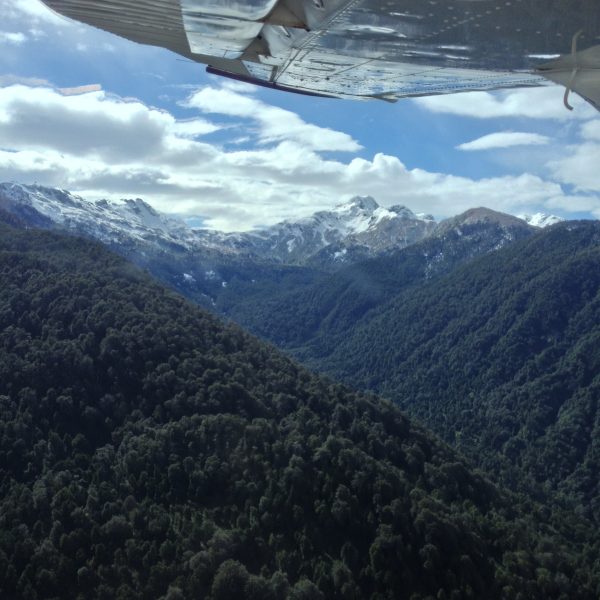
For five years, I worked for a large non-profit supporting a campaign to conserve vast swaths of public land and domestic waters in Chile. The initiative contributed to massive protections for public land and sea in Chile, a country that over the last ten years expanded its national park system by nearly 40%, mostly in majestic Patagonia.
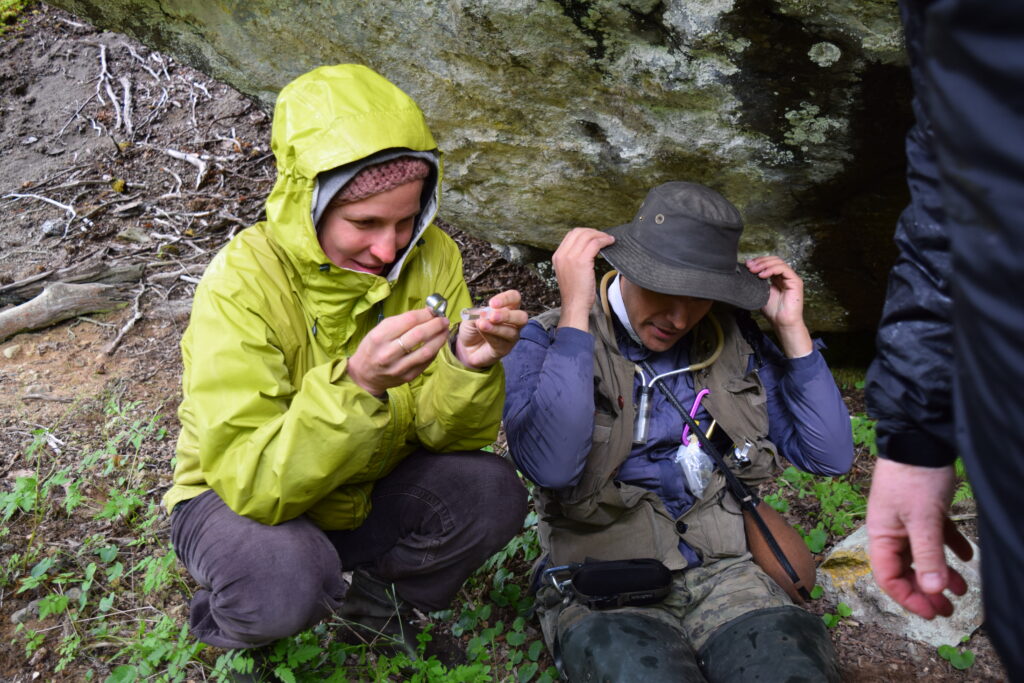
Campaigns sprouted up in response to environmental disasters and grew through youth-driven movements on campuses, alongside civil rights and consumer protections. In Canada and the United States, and later Australia, civic organizations were birthed from local campaigns to protect nearby beloved areas or defeat local threats. Later, these groups learned to collaborate based on their strengths and expertise and to forge national campaigns. This occurred in Chile too, after its civic groups assembled in the 1990s after decades of political oppression under Pinochet.
To Build Protected Areas, Build on a Foundation of Law and Policy to Ensure Permanence
Chile’s efforts to create parks and protected areas in the Southern part of the country closely mirrored the strategies employed in the United States, Australia and Canada. In these countries, environmental policy and land and seascape protections were made possible by strong national and provincial governments and strong rule of law.
After its brutal dictatorship, democratic governance and rule of law were restored in Chile in the early 1990s. Its citizen groups grew. By the 2010s, Chile’s environmental movement was ready to push sweeping changes. The coalition’s work for Chile’s national parks and protected areas, was not merely aspirational or merely meant to educate or “create awareness” to protect the environment; it was engineered to lock in permanence through law. This was actually a reflection of the existing models in other countries. Across Australia, U.S., Canada, and Chile, the coalition’s goals were consistent: large-scale, durable landscape and seascape protection. A common throughline across all four geographies was grounding the work in existing legal authorities and policy mechanisms.
Specifically, the Chilean coalition sought zoning, legal designations for parks and protected areas, and a regulatory framework to protect adjoining coastal areas (“Mar y Tierra”). These pathways were identified by Chilean NGO leaders, indigenous leaders and community members. Chilean groups brought their knowledge of how policy is actually made, deep familiarity of the landscapes, and fluency in regional and local politics. Ultimately, it was this intimate knowledge — knowing how the sausage is made — that transformed good ideas into durable change.
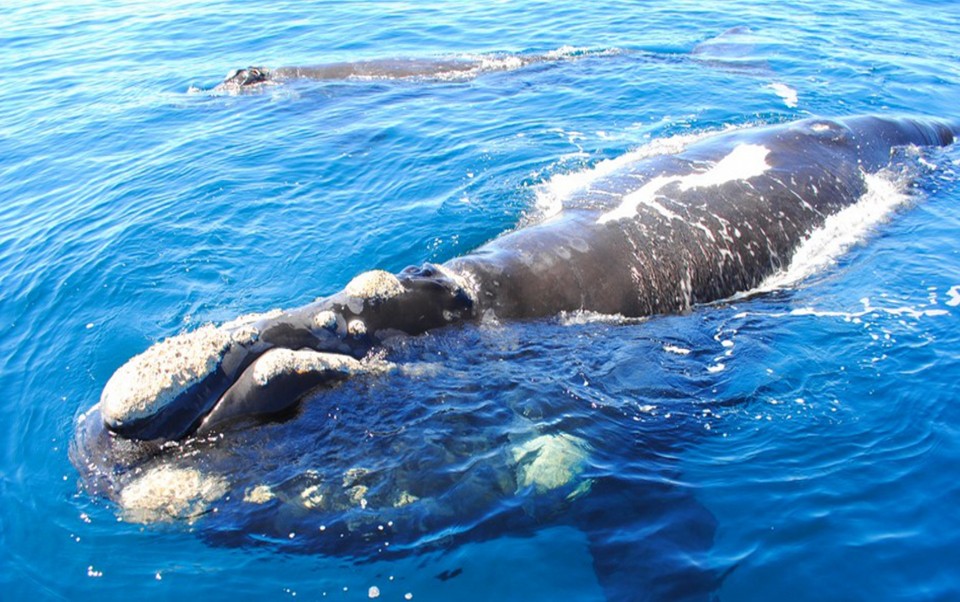
At the same time, Chilean scientists tracked and identified biologically important areas, providing decision-makers with critically persuasive evidence that lent scientific credibility to the proposed protections. Politicians and journalists love field scientists! Perhaps counting animals in the wild has a certain romance to policymakers who spend time in cold marbled halls and stifling clothing. Together the nation would know where exactly the huemul (Native Chilean ungulates), the pumas, rheas (flightless birds), and dozens of species of behemoth whales hung out. The nation discovered, with the help of journalists, what these animals’ ranges and birth rates were, and how best to safeguard them. Chilean scientists led this charge. The coalition, in turn, helped translate this work into policy proposals and press.
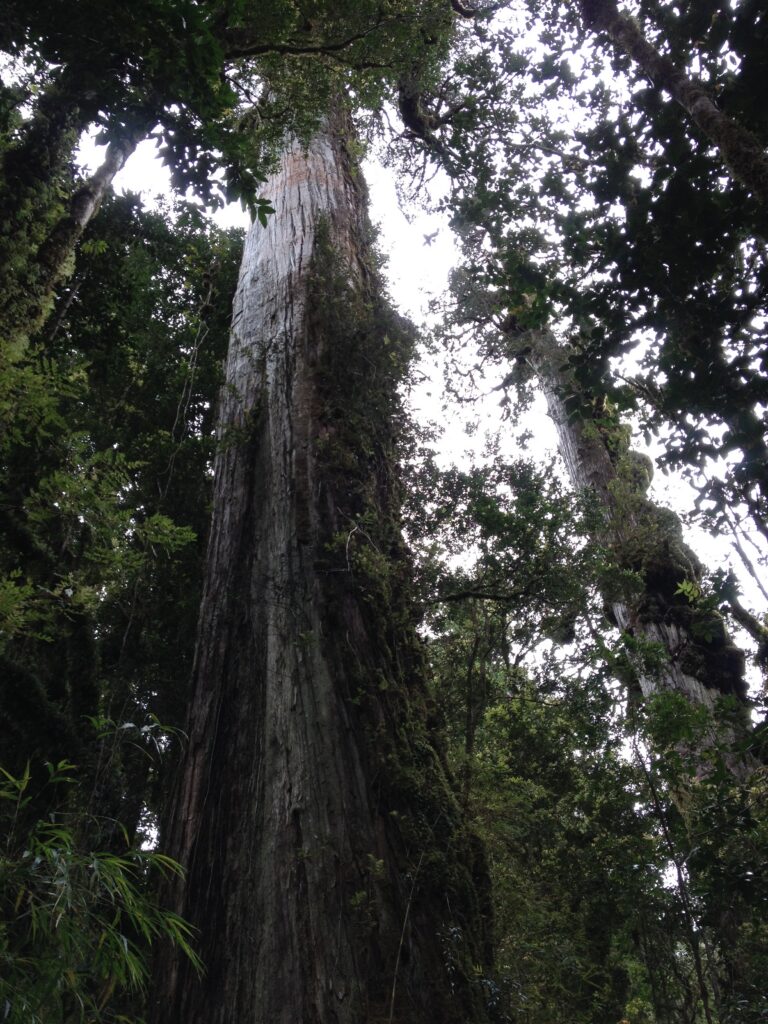
Economic studies by university partners further strengthened the case, documenting the tangible benefits of parks and nature tourism for surrounding communities. Economists and other researchers showed how NbS proposals also meant jobs. These specific economic benefits to “gateway” or adjoining communities were enumerated and extremely persuasive. Universally, politicians want to see growth and opportunities for their constituents.
Once a clear policy roadmap was in place, and the ecological, economic, and policy and civic case was established, the coalition propelled forward with support from our various international partners. Each change in law and designation would lock in their efforts.
Building on existing law — and enshrining every effort within it — was the backbone of the strategy. But the corpus and the heart of any winning effort remains the coalition. Strong coalitions have moved massive public policies to safeguard nature before, and they will again. Today, citizens continue to collaborate across the globe, pushing their governments to do more and to hold the line on hard-won protections.
Coming Up Next: What Environmentalists Can Learn from the Business Playbook
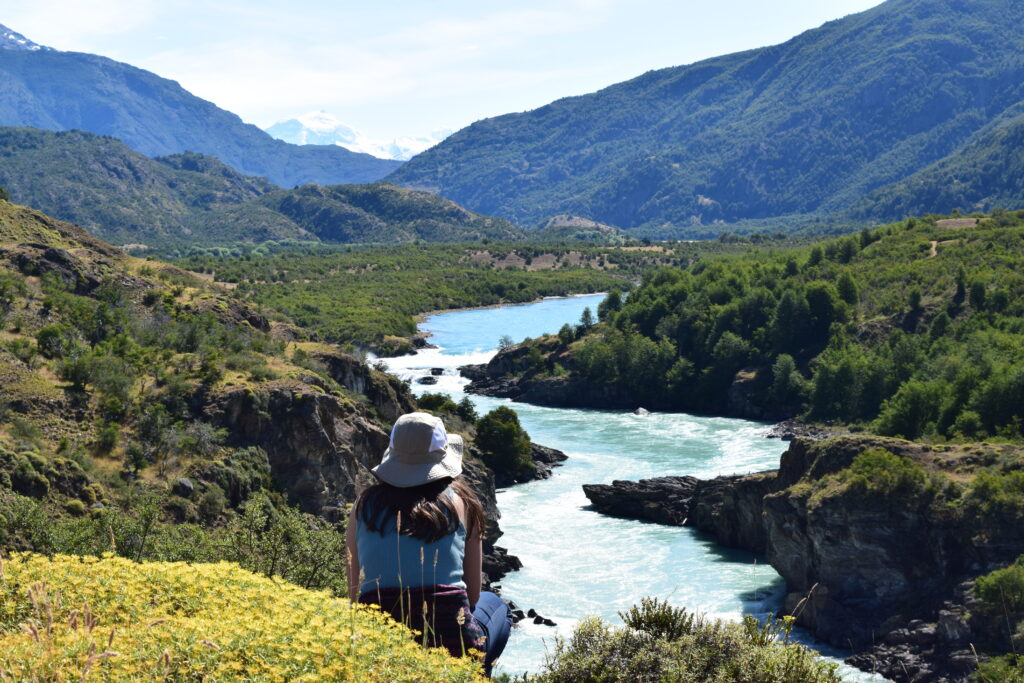
Annette Labiano-Abello is a campaign strategist who has worked in non-profits and government for nearly 20 years. Annette has led high-impact environmental campaigns at the intersection of public policy, strategic communications, and political advocacy.
She began her career at the National Environmental Trust and, after graduating from the University of Maryland School of Law, represented workers and immigrants facing workplace abuses—deepening her commitment to justice-centered advocacy. She served ten years at The Pew Charitable Trusts, where she supported program growth and strategy across Europe, Australia, and South America. She went on to serve in the U.S. Agency for International Development (USAID), working closely with senior leadership to support strategic priorities.