
Archive

Category: Vision & Approach

Farmer Inclusion - BIPOC
Analysis and Metrics

US Farmer Inclusion Meeting Updates and Take-Aways

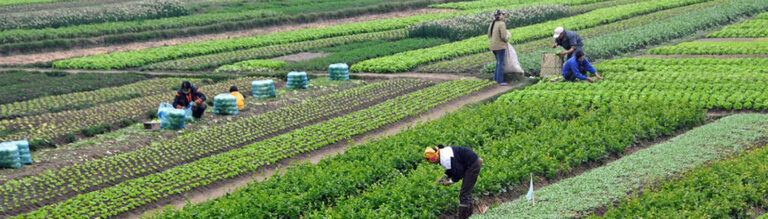
This past April, Nature For Justice (N4J) met with 10 organizations and eight farm owners to discuss our U.S. Farmer Inclusion Program and receive input on improving our strategy. N4J aims to be additive in the agriculture justice space and strengthen climate resilience among Black, Indigenous, and other farmers of
Read More
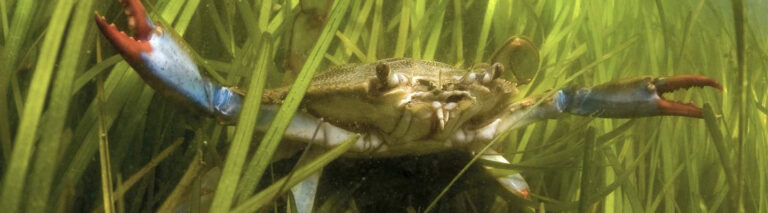
Seagrass meadow and crab
Vision & Approach

Seagrass, A Climate Fighting Super Power

Often missed and unnoticed by many people are vast meadows of seagrasses growing in our oceans. Seagrasses are believed to have first appeared about 100 million years ago and evolved from terrestrial plants that adapted to life in marine environments. They grow only in salty or brackish water and are

Read More
Vision & Approach

Regenerative Agriculture & Resilient Food Systems: 7 Important Examples

At Nature For Justice (N4J), we’re working with global and local partners to lay the foundation for climate justice. Regenerative agriculture and resilient food systems refer to holistic approaches to agriculture that prioritize ecosystem health, biodiversity, and soil regeneration. They aim to build resilience and sustainability into food production by

Read More
Climate Justice
Analysis and Metrics

Building a Strong Foundation for Climate Justice: Learnings and Insights

At Nature For Justice (N4J), we’re working with global and local partners to lay the foundation for climate justice. Our work is evolving quickly: Across several African countries, we are building partnerships to identify and support carbon projects that (1) deploy nature-based solutions (NbS) and (2) channel meaningful benefits for

Read More
April Jones
Analysis and Metrics

What Makes Nature For Justice Unique

Nature For Justice was created in 2020 to address what we perceived to be the asymmetry in power between on-the-ground groups most affected by climate change and the investors, carbon developers, and companies that were taking advantage of unregulated carbon markets to develop inequitable benefit-sharing agreements. Our first thought was “Wait

Read More
Vision & Approach

Leveraging Biodiversity Credits: An Important Catalyst for Sustainable Forestry Practices

On International Day of Forests, we celebrate the indispensable role forests play in nurturing life on Earth. These natural wonders provide countless species with habitat, function as vital carbon sinks, and contribute to our planet’s well-being. Despite their importance, deforestation and forest degradation persist as significant threats. Biodiversity credits offer

Read More
Barriers to Entry
Vision & Approach

5 Barriers to Entry in Nature-based Carbon Projects

Nature for Justice’s (N4J) experience with the request for nature-based carbon project proposals in Africa, which we are also contemplating in Canada with First Nations, has generated an enormous amount of interest. Despite the holiday period in the U.S., we received over 70 proposals by mid-January. While many proposals did

Read More
Black Farmers' Markets
Partner Voices

Spotlighting 5 Black Farmers’ Markets in North Carolina

“When I’m touching the soil, it just gives me freedom,” Samantha Foxx, owner of Mother’s Finest Family Urban Farms in North Carolina. How We Got Here: Black Farmers in North Carolina Black and Indigenous communities have a long history of implementing regenerative agricultural practices. These communities, however, face some of

Read More
Nature-based Solutions, swamps
Region - Africa

Nature-based Solutions: A Quick Explainer.

First coined as a term by the IUCN 20 years ago, Nature-based Solutions (NbS) are gaining steam across the globe.  Major international organizations, large donors, NGOs, and governments see the potential far-ranging benefits of sponsoring NbS projects. Both large and smaller-scale organizations – from the UN, The World Bank, and

Read More
Nature-based Solutions
Analysis and Metrics

Wetlands. Protecting Them is a Nature-based Solution.

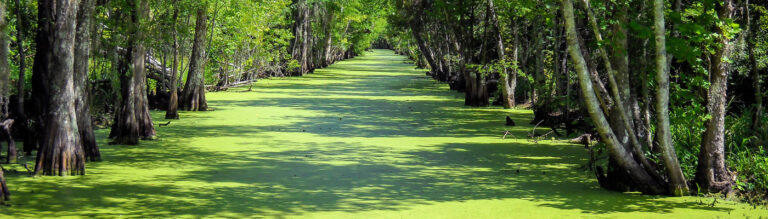
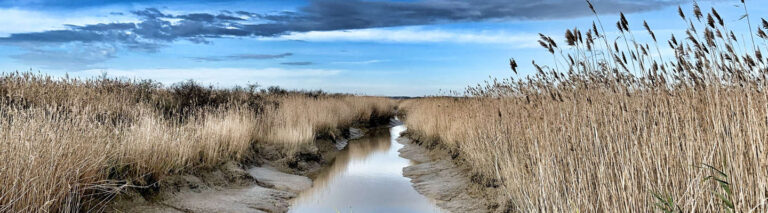
85% of the world’s wetlands have been lost due to human interference, much of it through large-scale modern agriculture. Known as “nature’s kidneys,” wetlands slow the flow of water across the landscape, allowing sediment, nutrients, and other particles to settle to the bottom. Those nutrients in turn fuel wetland productivity,

Read More

We use cookies

Nature For Justice uses cookies to improve your browsing experience and to analyze site traffic. By continuing to use our site, you agree to our Privacy Policy.