



Summary
Drawing on her experiences at the Pew Charitable Trusts, USAID, and in strategic consulting, Annette Labiano argues that public policy advocates can achieve lasting environmental wins by embracing the same operational discipline that drives business success. Through rigorous measurement, transparent accountability, continuous iteration, based on regularly renewed written strategies, advocates can transform passion into durable policy change — from protecting nature reserves to advancing ambitious global conservation targets like “30×30”, the worldwide effort to legally protect at least 30 percent of the planet’s land and oceans by 2030.
“Get the numbers first, then the story. It’ll make a better story.” — Annette Labiano
Operations rigor, repeated measurements, and discipline are the cornerstones of effective public policy advocacy.
We generally know when a business succeeds because it continues to exist. With a large business, its wins and losses are public. Investors and shareholders can review concrete results — stock valuations, revenue figures, losses, and liabilities. Nonprofits and social impact organizations can similarly demonstrate “returns” through annual reports that track changes in direction, operational costs, and capital investments.
Business operates with a relentless urgency to grow revenue — day by day, month by month, quarter by quarter. So what can environmentalists and public policy advocates learn from that discipline? How do advocates driven by as much passion as the business sector win but on very different terms? And how do we leverage these business tactics to convince governments to reach goals like protecting 30 percent of land, sea, and freshwater by 2030?
Business principles, when applied to Nature-based Solutions (NbS) and other advocacy initiatives, can protect nature reserves, safeguard carbon sinks, and ultimately offset the impacts of global warming. While public policy goals are undoubtedly more ambitious, the methodology used by business is highly applicable.
I spent my career at the Pew Charitable Trusts, USAID, and in strategic consulting, where I learned the discipline, rigor, and creativity required to advance public policy for our environment. I found that by following business best practices in operations, advocates could shape policy to safeguard the environment and reach seemingly insurmountable goals. I learned that while advocacy initiatives have their own nuances and are subject to political temperaments and opportunities, they can benefit from employing tactics from a business playbook.
Measure Everything You Can
In my work transforming bureau performance at USAID Management, I adopted the motto: “If it can be measured, measure it. If it can be counted, count it.” Measuring rarely required significant staff effort — but the returns were substantial. For instance, at the Agency we identified a pain point around the time required to approve a project. We addressed it by measuring the number of days each approval took and documenting every person who reviewed a project or contract. Several bureaus did this review. By setting clear goals and eliminating lag times and bottlenecks, we drove approval times down significantly. Through counting, we simply did more, faster. We published our results publicly in our Joint Strategic Plan, Annual Performance Plans, and Annual Performance Reports on performance.gov.
Transparent Measurement and Accountability
What happens when the team falls short? Transparency means publishing outcomes quarterly and annually, tracking what works, and adapting accordingly. If a “measurement infrastructure” is in place from the start, you are far more likely to collect the right data at the right time. That means deciding what to measure — and measuring what matters.
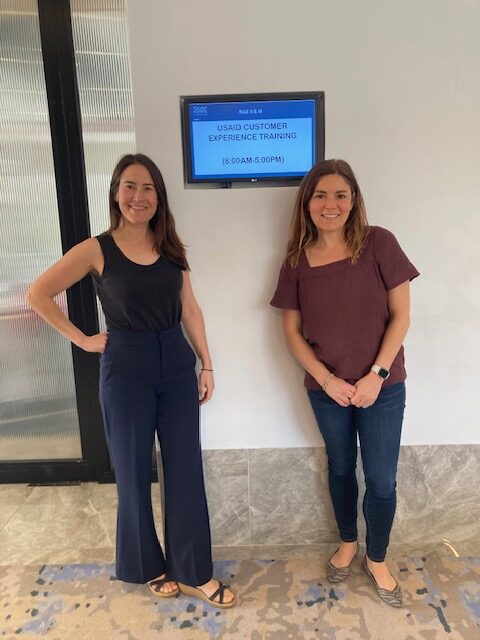
At USAID, we counted awards completed each month, payments processed, payments processed at reduced timelines, vials of medicine distributed, and the number of people reached. Some staff were natural trackers, trained by world-class public health leaders. Others — on both the program and operations sides — learned through hands-on technical training and resources like our Customer Experience Playbook, which outlined five simple plays, including measuring customer outputs to improve business operations. These practices became embedded in the daily culture of the Agency, both at headquarters and overseas.
Track Results – Including Failures
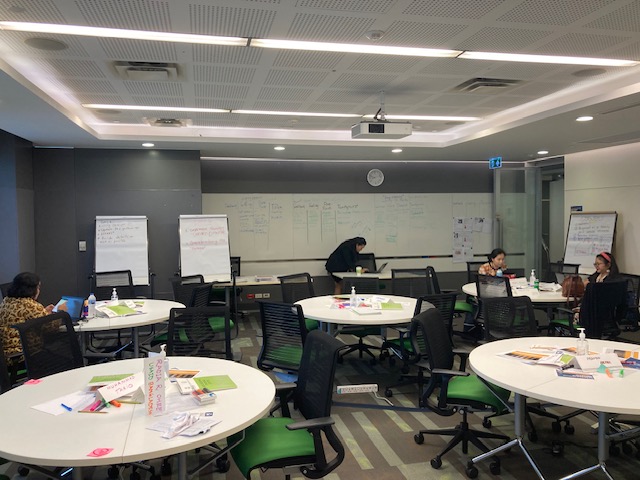
Accountability means carefully documenting failures, as uncomfortable as that may be. At one organization where I served, we were required to document failures in our internal annual plans. It was difficult — and at times painful — but transparency can be both liberating and creatively generative. We brought in our board and invited them to examine the challenges our campaigns were facing. It worked. Strategies were adjusted, and trust was maintained.
Confronting failures honestly, maintaining tight operations, adhering to written strategies, and upholding internal accountability are foundational to a winning public policy campaign. By naming problems openly and measuring them against goals, we were able to deliberate and chart the wisest course: who to mobilize, by when, which private sector partners to engage, and what other levers to pull. These measures were all anchored to a timetable forged in the strategy.
Iterate
Like business, adaptation is in the DNA of effective public policy advocacy. Advocates are often reactive by necessity — responding to elections, leadership changes, and, in recent years, sweeping policy reversals. Cultivating a culture of iteration and innovation helps prepare organizations for shifting political winds. Building that culture is perhaps the most challenging task, as it requires sustained commitment and repetition.