

Part 2 of 4: Resilience for Nature-Based Solutions: Insights from People and Nature
Resilience is often talked about as something that can be measured, compared, and tracked. But for the farmers living with climate volatility, market shocks, and political instability, resilience is not a score – it is a set of choices made under pressure, day after day.
In the first part of this series, we explored why conventional resilience metrics struggle to capture this reality. While indicators can signal trends or outcomes, they often fail to capture how resilience is experienced, negotiated, and sustained in everyday life. Creating space for communities to articulate their perspectives through stories, reflection, and locally defined markers is therefore a critical component of meaningful resilience assessment.
This piece moves from frameworks to practice. Drawing directly on the experiences of smallholder farming communities for whom uncertainty is a constant, we present real world examples of how resilience is built, tested, and sustained on the ground. The communities shared their stories with me in the research context of the Global Network of Lighthouse Farms, an initiative bringing together thirteen innovative farms from around the world, each demonstrating radical solutions to sustainability challenges in the food system.
Building a resilient global food system requires moving beyond one-size-fits-all interventions toward fostering enabling environments that empower communities to keep adapting over time. This means aligning institutional support with local values, culture, and governance systems, and prioritizing community agency and expertise, so that resilience can endure even after projects or funding cycles end.
Meet the Communities Actively Building Resilience
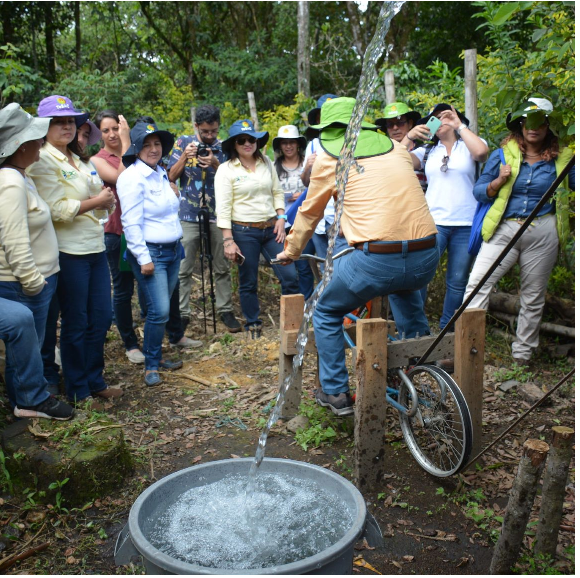
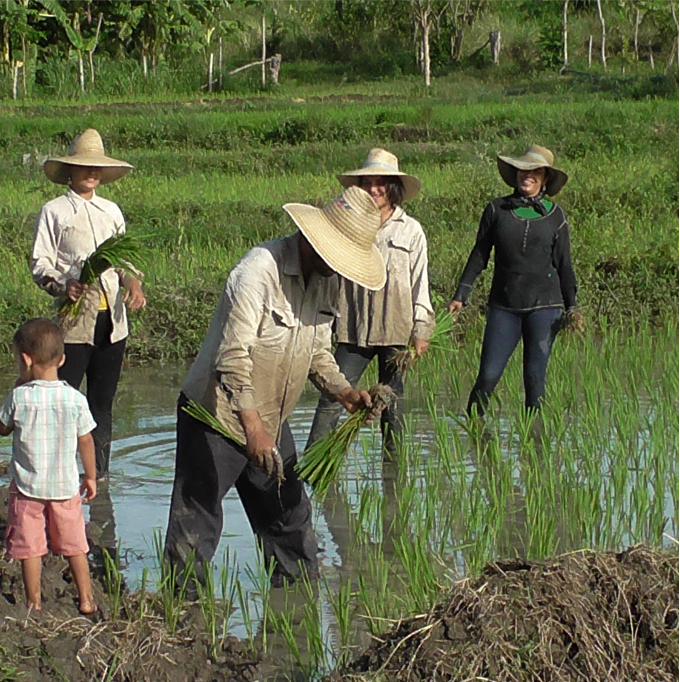
In Colombia, seven ‘climate-smart’ villages under TeSAC Cauca (‘Sustainable Territory Adapted to Climate Change’), comprising 203 households, have analyzed vulnerabilities at the farm level and co-created Climate Adaptation Plans (see the publicly available manual in Spanish), with support from the Fundación Ecohabitats and CGIAR. These plans incorporate climate-smart agricultural practices and farm-level adaptations tailored to local conditions. Beyond planning, these villages have realized measurable outcomes such as increased productivity, diversified crops, and enhanced community decision-making structures, including gender-inclusive leadership roles. They now govern territorial decision-making through community boards, exchanging knowledge with researchers and other farmers across Latin America.
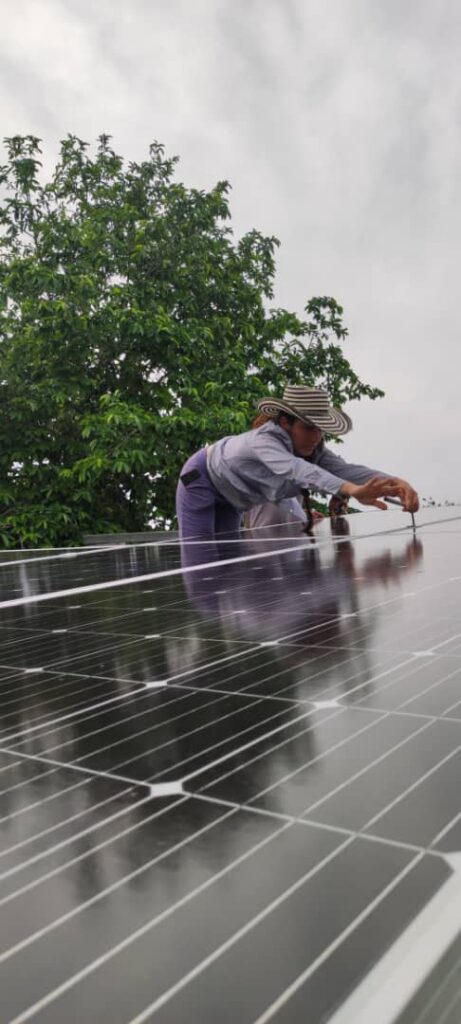
In Cuba, the Casimiro-Rodriguez family at Finca del Medio exemplifies long-term agroecological transition. Over 30 years, they transformed a degraded tobacco monoculture into a diversified, fully self-sufficient farming system, integrating renewable energy, water harvesting, soil restoration and circular nutrient management.
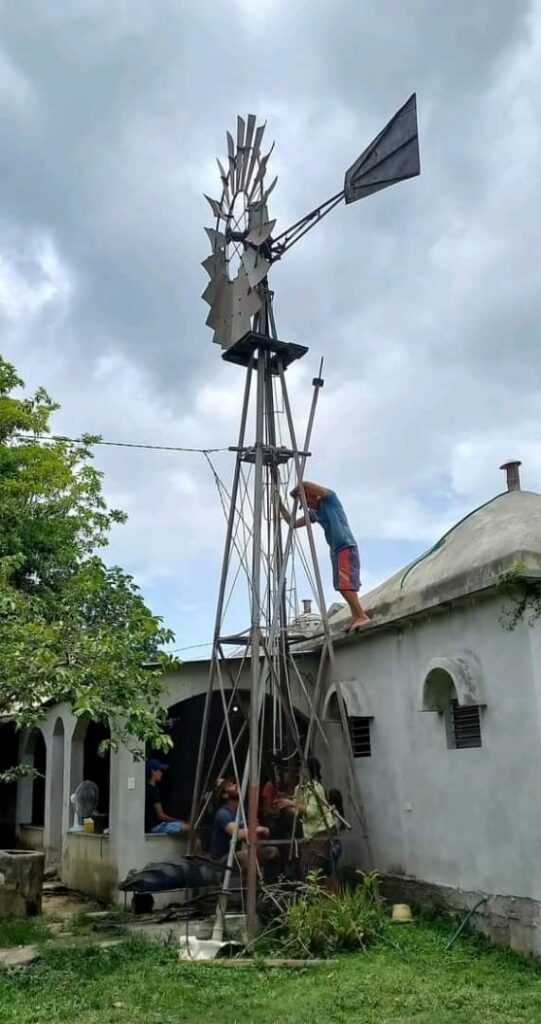
Their farm was born out of Cuba’s “Special Period” – when disruptions to global trade forced local adaptation and innovation. They now serve as technical consultants to other farmers and political advisors to the state.
Their experience illustrates resilience as a system-wide redesign rather than incremental change.
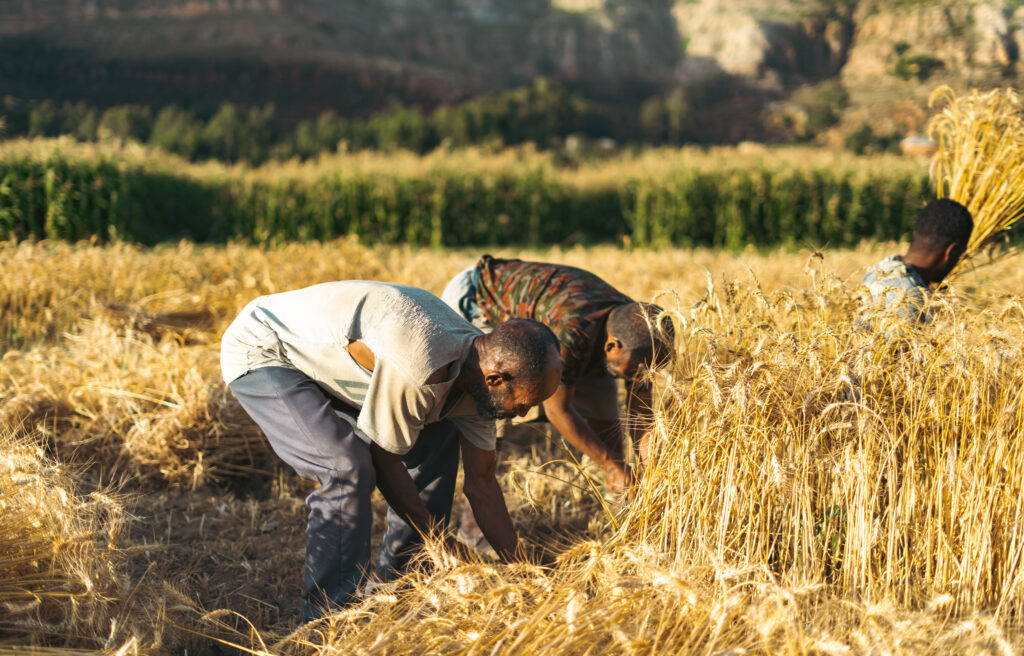
In Ethiopia, smallholder farming communities participating in the National Sustainable Land Management Program have demonstrated a remarkable ability to withstand compounded shocks of soil degradation, recurring drought, desert locust outbreaks, COVID-19, and a two-year civil war through local agency, innovation, and collective action.
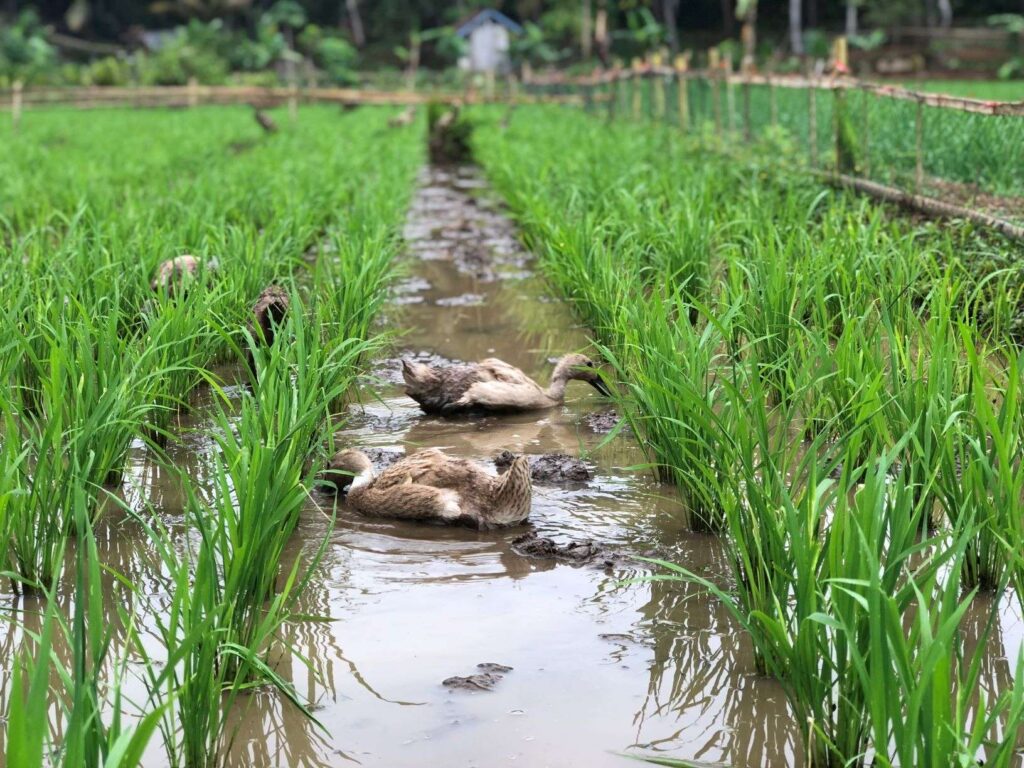
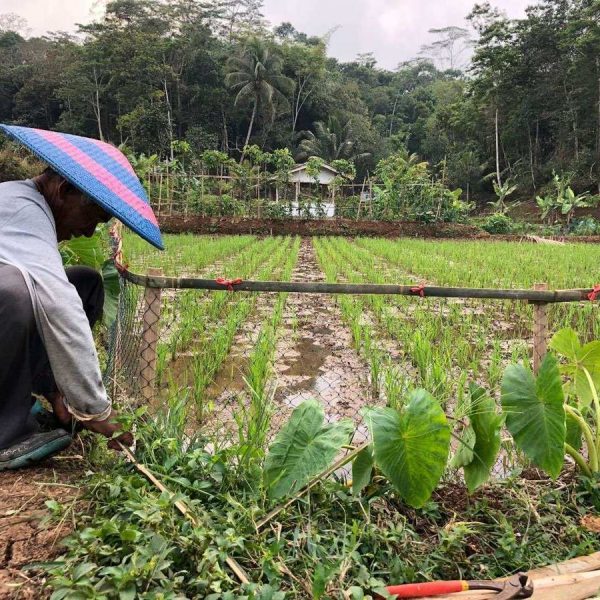
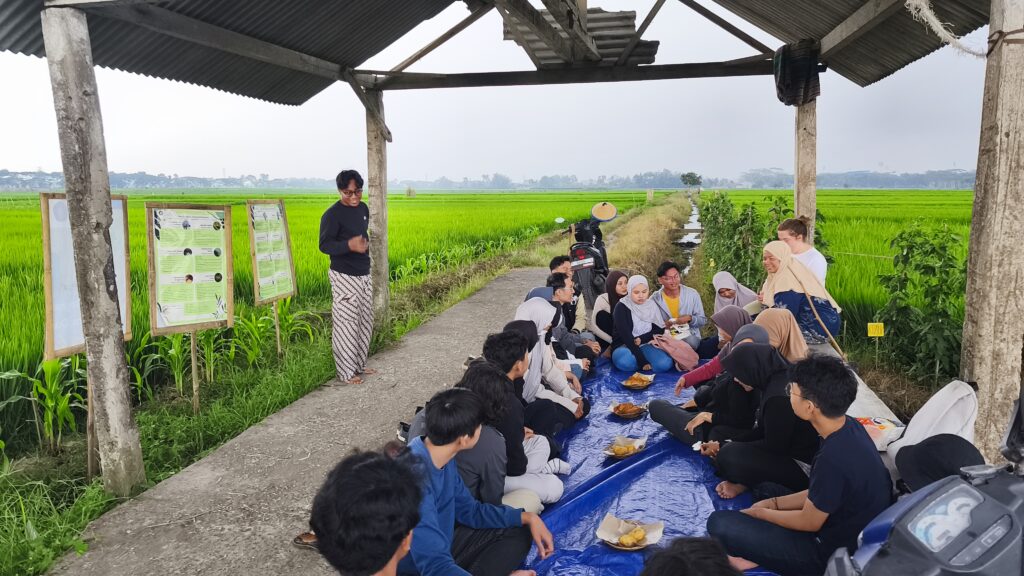
In Indonesia, in collaboration with Brawijaya University, communities are reintroducing “Complex Rice Systems” (CRS), which integrate rice cultivation with azolla, fish, ducks, and importantly, border crops. This adaptation of traditional methods has reduced reliance on external inputs while improving social cohesion as communities strengthen their food security and diversify their production (Khumairoh et al., 2018).
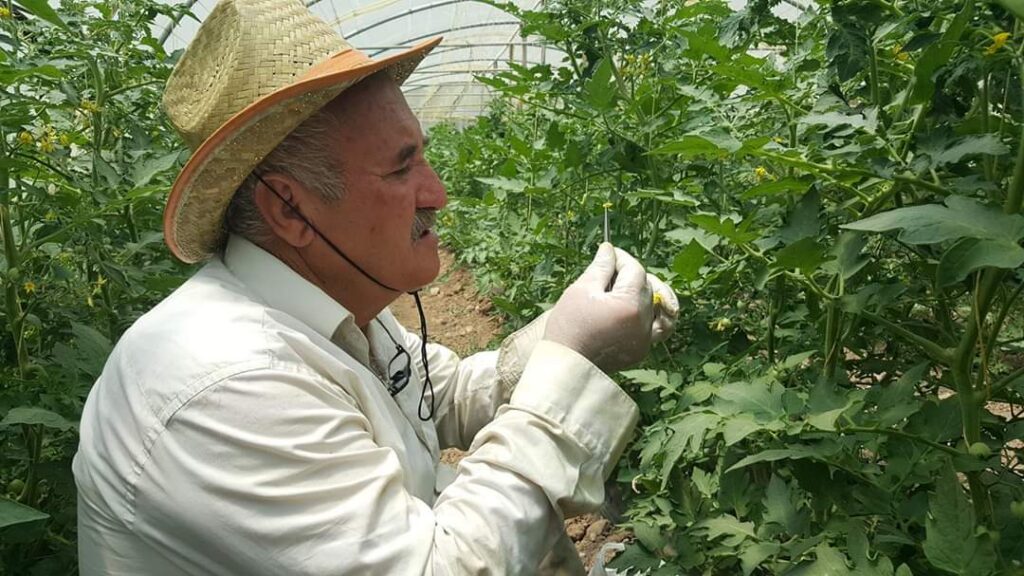
Meanwhile, in the Kurdistan Region of Iraq, farmer Sheikh Jamal has become a prolific breeder of locally adapted seeds, despite prolonged conflict, insecurity and strong competition with imported agricultural products. His tireless experimentation on the organic Braw Farm has produced certified varieties of tomatoes and wheat designed to thrive under extreme heat and drought, demonstrating the resilience of local seed systems and the potential of farmer-led innovation in conflict-afflicted environments. Today, Braw Farm is an important site for field trials in collaboration with the Slemani Agricultural Research Centre, and practical training of college students.
The Human Factor: A Story from the Ethiopian Highlands
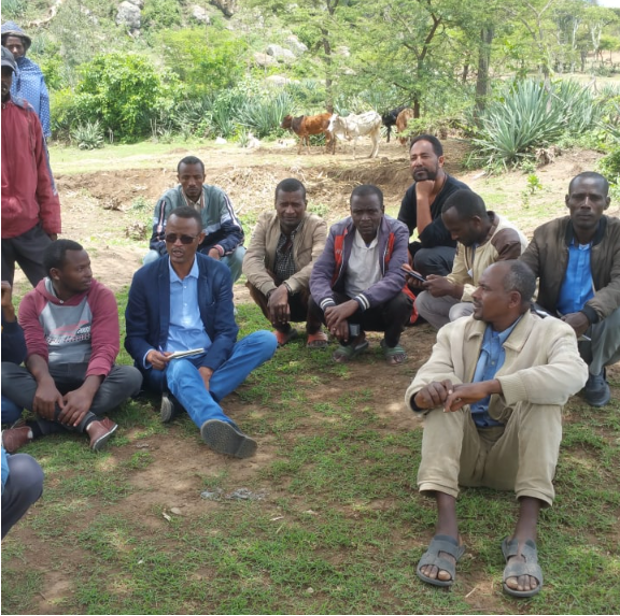
Among these diverse contexts, the dynamics of fostering resilience become clearer when we examine the experience of smallholder communities in the Ethiopian highlands.
Research by Tewodros Gebreegziabher Asresehegn on ‘bright spot’ communities in the Tigray region analysed the success factors for why some communities could successfully restore their landscape and remain resilient, while others struggled (Asresehegn et al., 2026). As it turns out, resilient communities do one thing extremely well – they take matters into their own hands.
When faced with extreme soil erosion and a total loss of productivity, the official government advice was for the villagers to resettle in another region. Most would see this as an inevitable surrender to nature. Instead, the bright spot communities chose action. They recognized that the crisis was not just a biophysical occurrence but was rooted in past mismanagement of the resources.
By taking ownership of the problem and prioritizing their agency, they established an effective, self-organized system of collective cooperatives, mobilizing for 40 to 60 days every year specifically for natural resource management and restoration. Through this collective effort, they built water-harvesting structures that allowed them to anticipate droughts and restore vegetation.
When the civil war dismantled external advisory support, they relied on local knowledge to create solutions. To deal with an unprecedented desert locust invasion, they studied the behavior of the insects, using smoke, noise, and mechanical protection to ward them off while selecting crops the pests disliked.
The Ethiopian case illustrates that resilience is sustained when communities are equipped to act, even when external systems become unreliable. The presence of agency, education and knowledge-sharing, leadership, and effective social organisation becomes decisive. Institutions play a critical role in enabling and strengthening these capacities, reinforcing local agency so communities can continue to adapt when support systems falter.
The Shared Traits of Resilience
Across the various cases, resilient communities exhibit recurring traits that reflect key resilience capacities. Using the ABCD framework (Agency, Buffering, Connectivity, and Diversity) as an analytical lens (introduced in the first blog), the following traits consistently characterised the communities fostering resilience, despite their vastly different contexts.
Agency and empowerment: Communities with strong agency don’t just react to change, they shape their responses through collective decision-making and proactive strategies. This capacity becomes decisive for adapting to new challenges.
Local knowledge and curiosity: Resilience grows where local ecological knowledge and experimentation are valued alongside scientific inputs. The community members remain curious, leading with context-specific innovations, in line with broader findings that point to indigenous and locally grounded practices enhancing adaptive capacity. Knowledge is not hoarded; it is shared through strong social ties and partnerships that foster community-wide empowerment.
Strong, value-based leadership: Whether in Ethiopia, Indonesia, or Colombia, resilience gains momentum when spearheaded by ‘agents of change’ who lead by example, prioritize the common good, and openly share their insights. These leaders are viewed as knowledgeable, communicative and trustworthy, ensuring that community members remain engaged and contribute to the collective effort.
Social support and connectivity: Resilience is a team sport. Whether through formal community boards and partnerships or informal financial support and solidarity networks, these communities rely on cooperation to share resources, access markets, and support their most vulnerable members during critical moments, particularly when external support is limited.
Diversity: Diversity is present across crops, practices, and expertise. It contributes to resilience by enhancing ecological stability, food security, and social cohesion. By maintaining diversified income streams, these farmers can rely on multiple options in changing conditions. Biodiversity is viewed as essential to the overall system. For instance, in Colombia, communities manage and conserve natural resources at both farm and territorial levels, linking resilience agenda directly to conservation goals.
Technological integration and autonomy: The communities welcome and integrate appropriate technologies, from renewable energy to early-warning mechanisms, used to enhance their autonomy and adaptive response without undermining traditional knowledge.
Mindset shift: Underpinning other traits, is the understanding of resilience as a dynamic capacity, not a destination. Communities that embrace learning, flexibility, and long-term thinking are ultimately better equipped to navigate future uncertainties. In addition, by linking resilience to core values such as well-being, dignity, purpose, independence, and balance with nature, as well as integrating it into their socio-cultural fabric, these communities reinforce their resilience-building strategies. For example, border crops in rice cultivation in Indonesia are used to both increase biodiversity and to mark cultural rituals as important subsistence crops, contributing to social cohesion. Whereas in Cuba, demonstrating to younger generations that a dignified living can be made from farming helps ensure the generational farmer renewal.
Navigating Trade-offs and Complexity
It should be noted that building resilience is rarely a straightforward path; it often involves navigating difficult trade-offs. For example, physical proximity to urban centres, infrastructure and markets provides access to economic opportunities, yet can increase vulnerability to conflict or market volatility when institutions are weak.
Changes can take time to generate benefits. Transitioning to agroecological systems often means an initial dip in yields while the soil regenerates. While productivity eventually stabilizes and often surpasses conventional farming methods, the initial investment and the potential for lower early yields require a farmer to value long-term resilience over immediate profit.
Takeaways for Nature-Based Solutions
The most durable Nature-based Solutions (NbS) are co-developed with communities, grounded in local priorities, and embedded within existing social structures. The lessons from these five case studies show that technical or ecological innovations are far more successful when they are integrated with local governance, leadership, and social support systems rather than imposed externally. This reinforces global best practice recommendations that prioritize participatory design, institutional alignment, and multi-scalar governance in NbS.
Ultimately, the effectiveness of Nature-based Solutions lies in their ability to strengthen the social foundations of resilience. In this way, NbS become vehicles for empowerment rather than dependency, creating pathways toward resilience of both the people and nature in the long-term.
Coming up next: How do we scale resilience in alignment with local realities, ensuring that global and local actors work in synergy?
Acknowledgements:
Thank you to the representatives of the five case study communities, who have kindly shared their insights and perspectives during my research and reviewed this post: Luis Alfonso Ortega (Colombia), Oniel Suárez Zamora (Cuba), Tewodros Gebreegziabher Asresehegn (Ethiopia), Uma Khumairoh (Indonesia), and Aven Veen Alaaddin (Kurdistan Region of Iraq).
References:
Asresehegn, T.G., Valencia, V., Schulz, S., Woldewahid, G., Gebrehawariat, G., Schulte, R.P.O. (2026). Community responses to land degradation: Insights from land restoration bright-spot communities in the Ethiopian Highlands. Environmental Development, 58. https://doi.org/10.1016/j.envdev.2025.101422
Khumairoh, U., Lantinga, E.A., Schulte, R.P.O., Suprayogo, D., Groot, J.C.J. (2018). Complex rice systems to improve rice yield and yield stability in the face of variable weather conditions. Scientific Reports, 8(1). https://doi.org/10.1038/s41598-018-32915-z